FAA line up and wait rule takes effect during Thanksgiving travel
An FAA rule that took effect Nov. 24 lets towers line planes up on runways only with a dedicated supervisor on duty. Controllers warn of delays; the FAA says no.
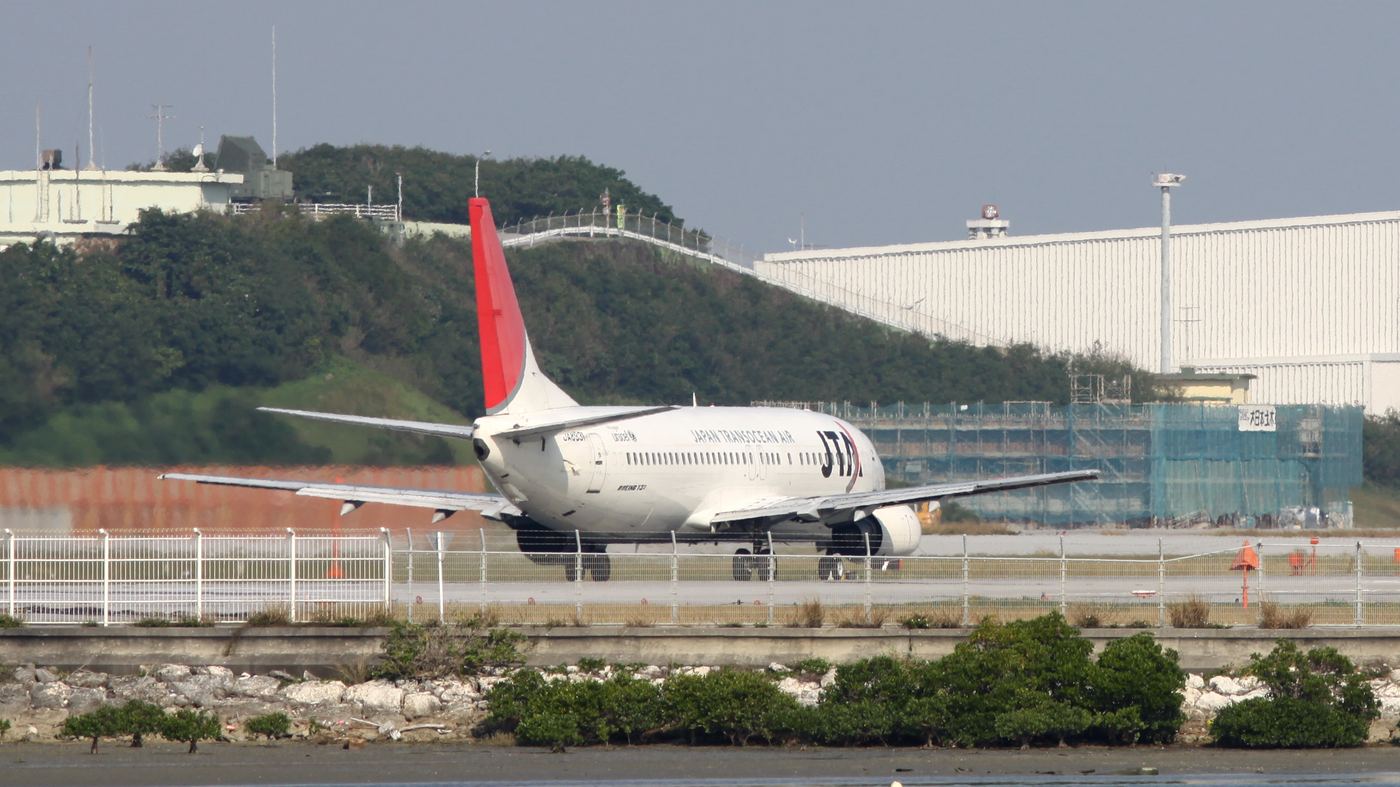
A new FAA "line up and wait" rule took effect Tuesday, Nov. 24, in the middle of the Thanksgiving travel rush. Under FAA Notice JO 7210.979, control towers can move a plane onto the runway to wait for takeoff only if a supervisor is on duty who is doing no other job. The FAA says the change is about runway safety; some controllers and analysts warn it could slow departures at understaffed towers.
What happened
"Line up and wait" lets a controller send a plane onto the departure runway before it is cleared to take off, so it is ready to roll the moment the runway is clear. It saves a few seconds per departure, which adds up at busy airports. It does not give a plane permission to take off.
The FAA issued the notice on Oct. 9, and it took effect Nov. 24, Newsweek reported. Earlier FAA guidance said towers "should" have a separate supervisor watching when they use the procedure, and the new notice changes that to "must," according to Newsweek. AVweb described the old guidance as a recommendation that is now a requirement.
"A stand-alone watch supervision (OS/CIC) position must be staffed and must not be combined with any other position," the notice states, according to AVweb. Towers that cannot staff that position can still send out flights, but each plane has to wait off the runway until it is cleared for takeoff, Newsweek reported.
The rule is temporary. Newsweek reported it is set to stay in place through June 9, 2027. The FAA could extend or replace it.
What each side says
The FAA: The agency says the goal is to "elevate the safety standard" and remove confusion about earlier staffing guidance, Newsweek reported. In the directive, the FAA cited concerns about supervisors being distracted when they handle several roles at once, CNN reported. The FAA told CNN the change "will not impact airport operations." The notice does not point to any specific safety incident.
Controllers and critics: CNN reported that controllers have warned some pilots backups could follow. In tower audio cited by CNN, an Albuquerque controller told a pilot the tower needed a standalone supervisor to use the procedure, and a Southwest pilot replied that it was "probably going to cause some delays." The FAA has long combined controller jobs to cope with staffing shortages, CNN noted.
The controllers' union, NATCA, said its members "will continue to perform their duties with the same professionalism, dedication, and commitment to safety," according to CNN.
Anton Radchenko, CEO of the passenger-claims company AirAdvisor, told Newsweek: "Towers already short on controllers may not be able to staff that." Sheldon Jacobson, a University of Illinois professor, questioned launching the change during one of the busiest weeks of the year, Newsweek reported.
What we know and don't know
What we know: The rule took effect Nov. 24. It requires a dedicated supervisor whenever a tower uses line up and wait. It does not ban the procedure, and it is set to expire in June 2027.
What we don't know: Which towers have stopped using the procedure, and whether it has caused measurable delays. The FAA has not released an estimate of the effect, and none of the reports we reviewed has measured delays tied to the rule.
What's next
The weekend return rush, including Sunday, Nov. 29, will be the first big test of whether short-staffed towers can keep departures moving under the rule. After that, the next pressure point is the Christmas travel peak in late December. Weather-related delays this week are covered in [our Thanksgiving storm story](/news/2026-11-25-thanksgiving-storm-travel-delays-east-coast/).
Plan it
- Check live airport delays and ground stops at the FAA National Airspace System Status page, and your airline's app for your flight.
- Know what your airline owes you for delays and cancellations: DOT airline customer service dashboard.
- Check security wait times and ID rules at TSA.gov.
- Flying abroad for the holidays? Check the State Department travel advisory and entry requirements for your destination.